
Introduction
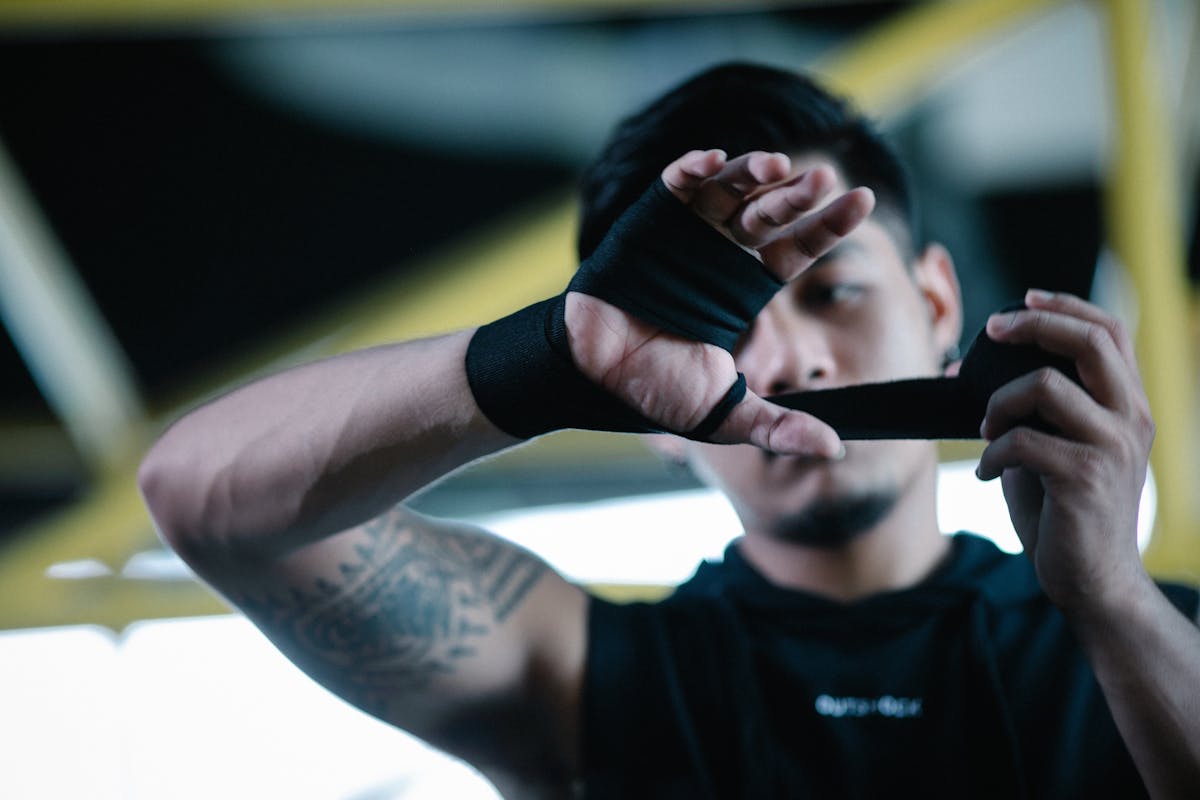
Some of cinema's most powerful moments happen not in a single shot, but in the collision of multiple images edited together.
A boxer training. A relationship blossoming. An empire rising. A character transforming.
These moments are created through montage — the art of assembling shots to compress time, build emotion, and create meaning that transcends individual images.
From the Soviet filmmakers who pioneered the technique to modern blockbusters, montage remains one of cinema's most essential tools.
Let's explore how montage works and why it's so powerful.
What Is Montage?

Montage is a film editing technique that combines a series of short shots to condense time, convey information, or create emotional impact.
The term comes from French, meaning "assembly" or "editing."
Montage can serve different purposes:
- Compress time (showing months or years in minutes)
- Build emotion through rhythm and music
- Create meaning through juxtaposition
- Show parallel action
- Demonstrate transformation or progress
Types of Montage

1. Metric Montage
Cuts based on the length of shots, creating rhythm through timing.
Example: Action sequences with rapid cuts
2. Rhythmic Montage
Cuts based on movement within the frame, creating visual flow.
Example: Dance sequences or chase scenes
3. Tonal Montage
Cuts based on emotional tone, building mood.
Example: Horror films building dread
4. Overtonal Montage
Combines multiple montage types for complex emotional effect.
Example: Climactic battle sequences
5. Intellectual Montage
Juxtaposes images to create conceptual meaning.
Example: Eisenstein's Strike cutting between workers being shot and cattle being slaughtered
Famous Montage Sequences
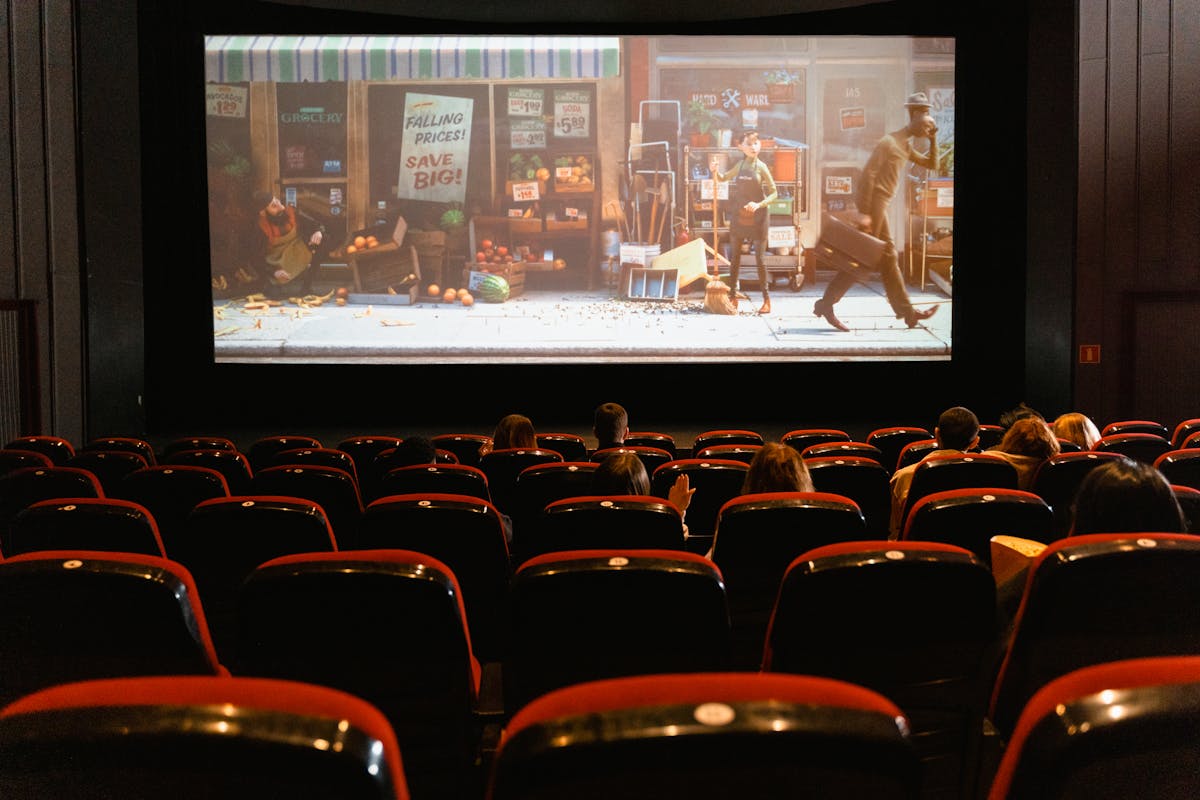
Rocky (1976) — Training Montage
The iconic training sequence set to "Gonna Fly Now" shows Rocky's transformation from underdog to contender, compressing weeks of training into an inspiring few minutes.
Up (2009) — Married Life
The opening montage tells Carl and Ellie's entire relationship — marriage, dreams, struggles, and loss — in four minutes without dialogue, creating one of cinema's most emotional sequences.
The Godfather (1972) — Baptism Sequence
Intercuts Michael's nephew's baptism with the murders of rival mob bosses, creating ironic contrast between religious ceremony and violence.
Goodfellas (1990) — Cocaine Montage
Shows Henry Hill's paranoid day of drug dealing through frenetic editing and multiple storylines, creating anxiety and chaos.
Requiem for a Dream (2000) — Drug Use Montage
Rapid-fire close-ups of drug preparation and consumption create a visceral, almost mechanical rhythm.
The Soviet Montage Theory
Soviet filmmakers in the 1920s developed montage theory, arguing that meaning comes not from individual shots but from their collision.
Sergei Eisenstein
Pioneered intellectual montage, using editing to create ideas.
Key Films: Battleship Potemkin, October
Lev Kuleshov
Discovered the Kuleshov Effect: the same shot takes different meaning depending on what it's cut with.
Dziga Vertov
Used montage to create "film truth" in documentaries.
Key Film: Man with a Movie Camera
Montage vs. Continuity Editing
Montage differs from standard continuity editing:
Continuity Editing
Creates seamless flow, making cuts invisible to maintain spatial and temporal coherence.
Montage
Draws attention to the editing, using cuts to create rhythm, compress time, or generate meaning.
How Montage Creates Emotion
Music
Montages often use music to enhance emotional impact and create rhythm.
Pacing
The speed of cuts affects emotional intensity — fast cuts create energy, slow cuts create contemplation.
Juxtaposition
Contrasting images create emotional complexity.
Progression
Showing change over time creates satisfaction and catharsis.
The Training Montage
One of cinema's most recognizable montage types:
Purpose
Shows character improvement and dedication without boring audiences with repetitive scenes.
Structure
Typically shows progression from struggle to mastery, set to motivational music.
Famous Examples
- Rocky series
- The Karate Kid
- Million Dollar Baby
- Mulan
Montage in Different Genres

Action Films
Fast-paced montages create excitement and energy.
Romance
Montages show relationships developing over time.
Sports Films
Training and competition montages are genre staples.
Heist Films
Planning and execution montages build anticipation.
Horror
Rapid cutting creates disorientation and fear.
When Montage Fails
1. Lazy Storytelling
Using montage to skip important character development.
2. Overuse
Too many montages make the film feel rushed or superficial.
3. Poor Music Choice
The wrong song can undermine the emotional impact.
4. Unclear Purpose
Montages should have clear narrative or emotional goals.
Modern Montage Techniques
Match Cuts
Linking shots through visual or thematic similarity.
Split Screen
Showing multiple actions simultaneously.
Time-Lapse
Compressing time within a single shot.
Digital Effects
Modern technology allows seamless transitions and impossible juxtapositions.
How to Create Effective Montage
Filmmakers should:
1. Have Clear Purpose
Know what the montage needs to accomplish.
2. Choose the Right Music
Music drives emotional impact and rhythm.
3. Show Progression
Demonstrate change or development.
4. Vary Shot Types
Mix wide, medium, and close-ups for visual interest.
5. Control Pacing
Build rhythm that matches the emotional arc.
Conclusion: The Poetry of Editing
Montage is where cinema becomes truly cinematic.
Through the collision of images, filmmakers create meaning, emotion, and rhythm that transcend individual shots.
From Soviet pioneers to modern blockbusters, montage remains essential to the language of film.
At PlotArmour, we celebrate the craft of storytelling and the techniques that make cinema unforgettable. From editing rhythms to emotional arcs, we explore the art behind the stories that move us.
Because in the end, cinema is not just what we see — it's how we see it.